
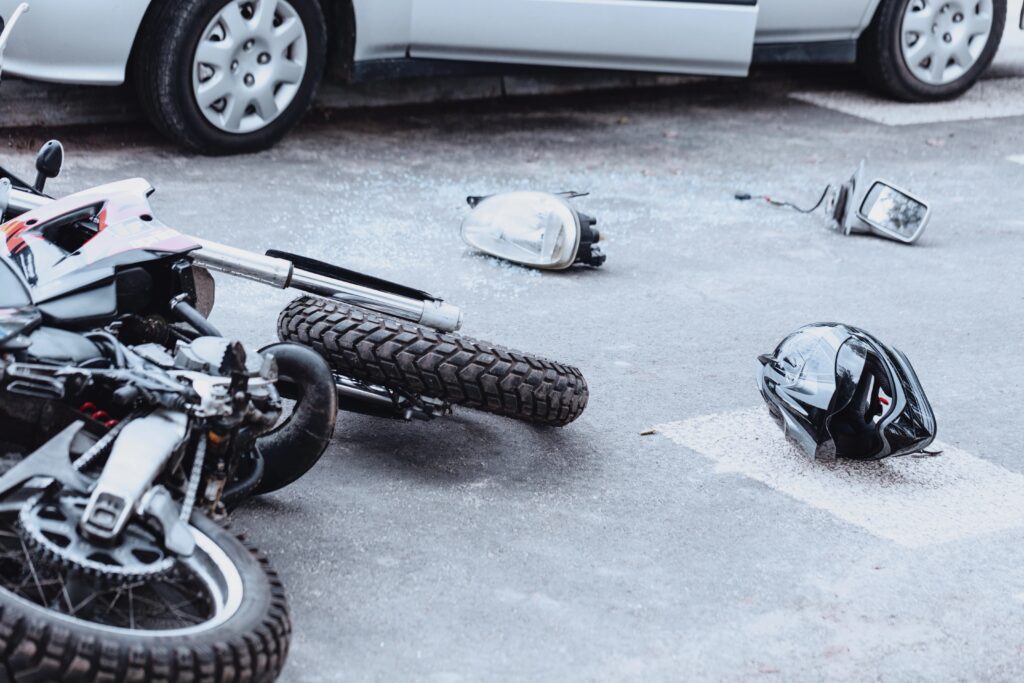
Why Motorcycle Accident Evidence Is Critical
Motorcycle accident evidence can show who was at fault. It can also help you prove the extent of your injuries and losses. The evidence you gather can make a difference in how much compensation you recover. Below are some of the types of evidence to gather if available.
Videos from the Scene
If you can, look around the motorcycle crash scene to identify any video cameras that might have caught what occurred. Traffic cameras, home security cameras, or business cameras might provide important video evidence to show what happened in the moments leading up to and during your crash. If there are no nearby cameras, you should still try to take a video of the scene with your smartphone. Include a video of each vehicle involved, any road debris, and the broader scene. If you were left unconscious and unable to record video, have someone check the area to see if any businesses or homes have surveillance cameras.
Photographs
Taking pictures right after your collision can provide critical motorcycle accident evidence about the scene and what occurred. If you are physically able, use your smartphone to take as many pictures as possible. Include photographs of the damage to your motorcycle and other involved vehicles. Photograph how the vehicle(s) are positioned in relation to your bike. Take pictures of any road debris, tire skids, nearby traffic control devices, speed limit signs, and weather conditions. If the area has potholes, broken pavement, or other indicators of poor road maintenance, take pictures of those issues.
Your Damaged Bike
Don’t repair your motorcycle right after your crash. Instead, preserve your bike so that it can demonstrate the severity of your crash and the extent of your losses. When a jury sees your damaged motorcycle, the members will be more likely to understand your crash from your perspective. If you repair your bike, you’ll lose crucial evidence that could support your claim. In some cases, defective parts cause motorcycle crashes. If you repair the damage, you might lose your ability to file a claim against the defective part’s manufacturer.
Your Motorcycle Clothing and Gear
Similarly, don’t throw away your clothing, helmet, boots, and other gear you wore during your crash. Even if it’s torn, stained, or bloody, you should still preserve it. Place all of it in a bag and seal it. Sign and date the bag to show when the clothing was placed inside. Torn, bloody clothes and gear can help the jury comprehend the severity of your crash.
Medical Bills
Save all of your medical bills and records for the treatment and rehabilitation you receive. Ask the hospital, your doctor, and other medical professionals who have been involved in your treatment for your records. Your medical records can go a long way to helping you secure a fair settlement. Make sure to keep every appointment and follow your doctor’s recommendations.
Wage Records
If you were forced to miss work or are unable to return to your former position because of your injuries, you should ask for documentation from your employer. Ask for wage statements showing the time you missed work because of your injuries, including days you took off to attend appointments, undergo surgery, or time spent in rehabilitation. Ask your doctor for a copy of any letter they might have written advising you to avoid working during your recovery.
Speak to a Knowledgeable Motorcycle Crash Attorney
Once you’ve received your initial medical treatment, talk to a knowledgeable motorcycle crash lawyer at Ellis & Associates as soon as possible. An attorney can move quickly to ensure the important motorcycle accident evidence in your case isn’t lost. Call us today for a free consultation at 800-MR-ELLIS or send us a message online.